View the full application record
Open the live City Scope application page for documents, council links, tags, insights and status updates for reference 26/02724/LBC.
A vacant office building at 15 Dalkeith Road could be converted into a hotel under a new listed building consent application now with the City of Edinburgh Council.
The proposal covers selective demolition and alterations to the building, with changes aimed at adapting the former office use for hotel accommodation. The site sits on Dalkeith Road, close to the edge of Holyrood Park and the Southside, in a prominent location passed by residents, commuters, visitors and hospital traffic.
The building is a Category A-listed former Scottish Widows headquarters designed by Scottish architect Basil Spence. That makes the application more than a routine change of use: any physical changes to the building will be considered in the context of its architectural and historic interest.
What is proposed
The application seeks listed building consent for the “selective demolition and alteration of vacant office building to form hotel”.
In practical terms, that points to a substantial reworking of the existing building rather than a simple internal fit-out. The planning information identifies the main themes as:
- conversion from vacant office use to hotel use;
- selective demolition;
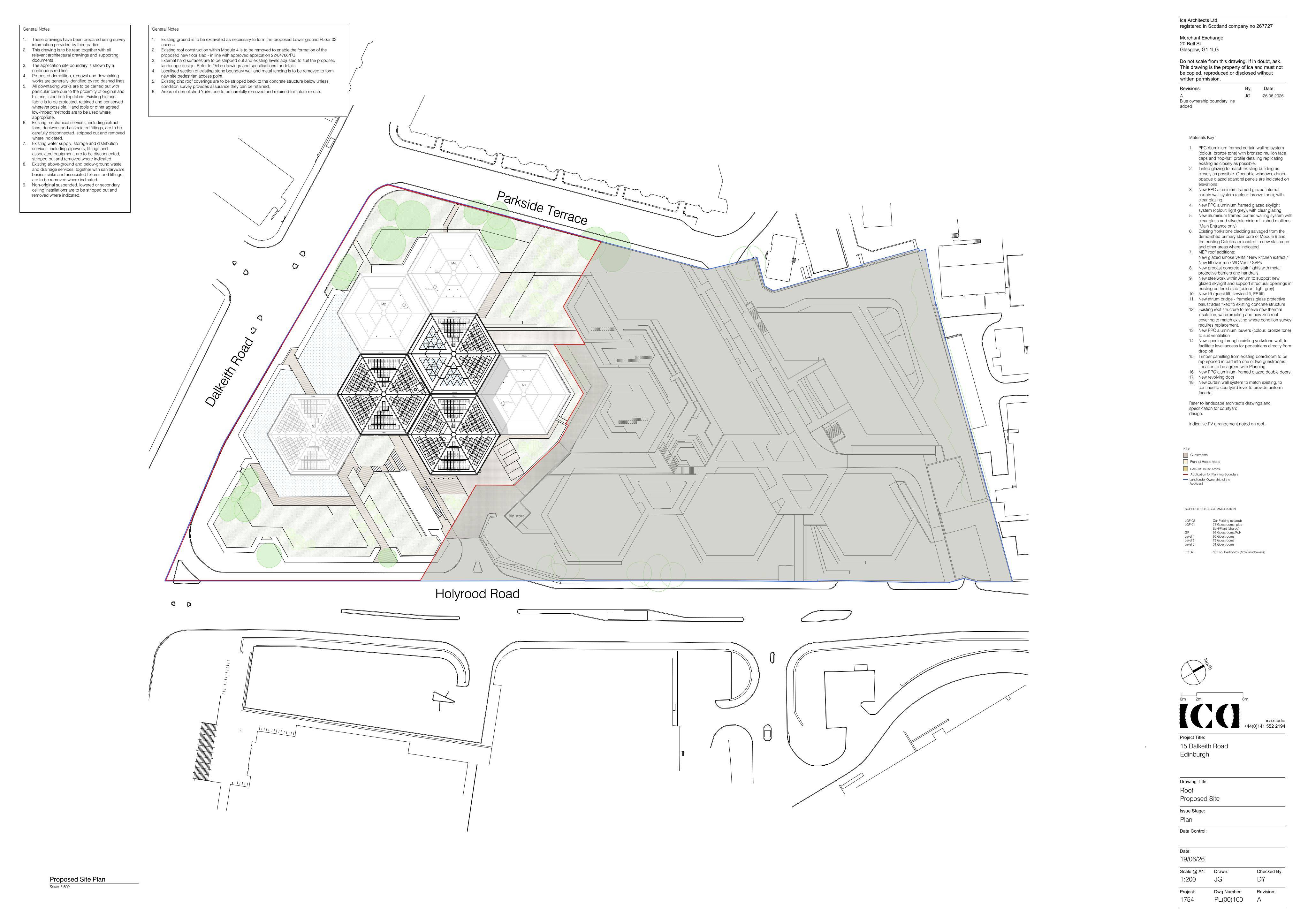
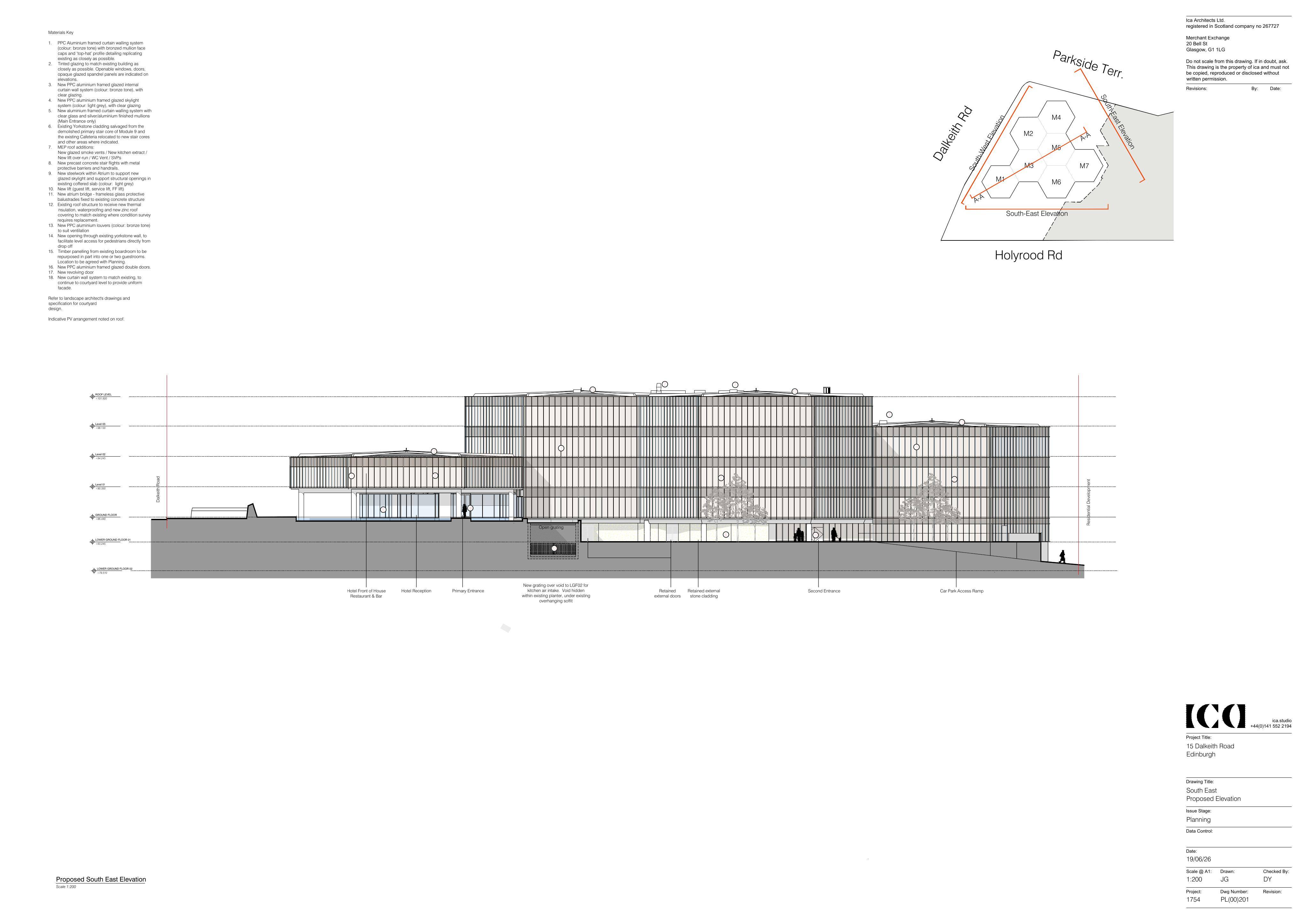
- external alterations, including major facade changes;
- changes to external materials;
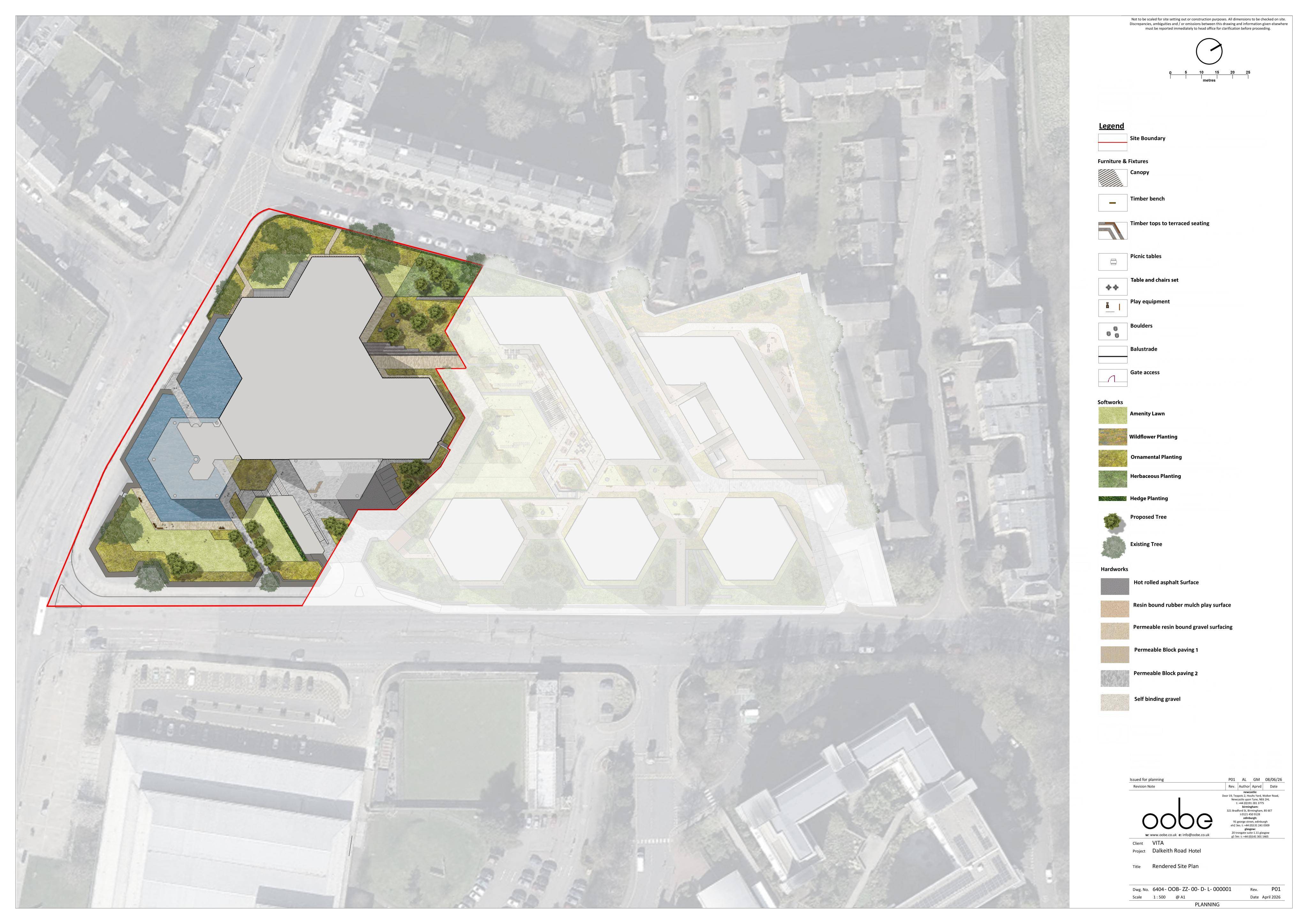
- new landscaped edges around the building.
The application does not yet confirm a hotel operator, number of rooms, opening date, or detailed construction programme. Those details are separate from the core listed building consent question of whether the proposed demolition and alterations are acceptable for this listed structure.
The site
The address is 15 Dalkeith Road, Edinburgh EH16 5BH.
Dalkeith Road is one of the main routes south-east from the city centre, linking the Southside, Prestonfield, Newington and the wider corridor towards the Royal Infirmary and beyond. The site’s position gives it a high public profile, particularly because of its relationship with the green edge of Holyrood Park and the wider setting around the former office complex.
The building’s heritage status is central to the case. Category A listing is reserved for buildings of special architectural or historic interest that are considered outstanding examples of a particular period, style or building type. Basil Spence’s work is a significant part of Scotland’s post-war architectural story, and this building has previously attracted close attention from heritage groups.
Why it matters
The application is worth watching for three main reasons.
First, it would bring a vacant office building back into active use. Edinburgh has seen changing demand for offices since the pandemic, while hotel and visitor accommodation proposals continue to be closely watched across the city. A hotel use at this location would affect how the building is occupied throughout the day and evening, how servicing and arrivals work, and how the site presents itself to the street.
Second, the building is listed. Selective demolition and facade alterations to a Category A-listed building raise heritage questions about what should be retained, what can change, and how new work should sit alongside the original architecture. For neighbours and conservation bodies, the key issue is likely to be whether the alterations preserve the character and significance of the building while allowing it to have a viable new use.
Third, the site has a planning history. Earlier proposals in 2022 sought to adapt and extend the building, demolish ancillary structures and develop residential accommodation with associated landscaping and parking. The Cockburn Association, responding to those earlier plans, raised concerns about the scale, materiality and massing of new housing and stressed that any new development should match the quality and scale of the listed building.
The latest proposal marks a shift in direction from residential redevelopment towards hospitality use. That does not decide the outcome, but it changes the questions being asked: instead of new housing around the site, attention now turns to how a hotel conversion would alter the building fabric, appearance, servicing and setting.
What neighbours may want to look at
For residents and local businesses, the most useful documents to check are likely to be the drawings, design information and any heritage material lodged with the council. These should show the parts of the building proposed for demolition, the nature of the facade alterations, and how the new landscaping would change the edges of the site.
Key points to look for include:
- which original elements of the listed building would be retained or altered;
- how new facade materials would relate to the existing architecture;
- where hotel entrances, servicing and drop-off areas would sit;
- how landscaping would affect the boundary with Dalkeith Road and nearby public views;
- whether the changes would make the vacant building more active and accessible from the street.
Because this is a listed building consent application, public comments are likely to carry most weight where they address heritage impact, design quality, the building’s setting, and the effect of the proposed alterations on its special interest.
What happens next
The application is currently marked as awaiting assessment by the City of Edinburgh Council. Council officers will assess the proposal against listed building and planning policy considerations, taking account of submitted plans, consultation responses and public comments.
Residents can find the case on the City of Edinburgh Council planning portal by searching for 15 Dalkeith Road or the planning reference 26/02724/LBC.
About the author
Building City Scope — tools to make Edinburgh's planning data easier to search, understand and use.