View the full application record
Open the live City Scope application page for documents, council links, tags, insights and status updates for reference 26/02929/CLE.
A ground-floor unit on Haymarket Terrace could be formally established as a small supermarket selling food, drink and off-sales alcohol, under a new planning certificate application lodged with the City of Edinburgh Council.
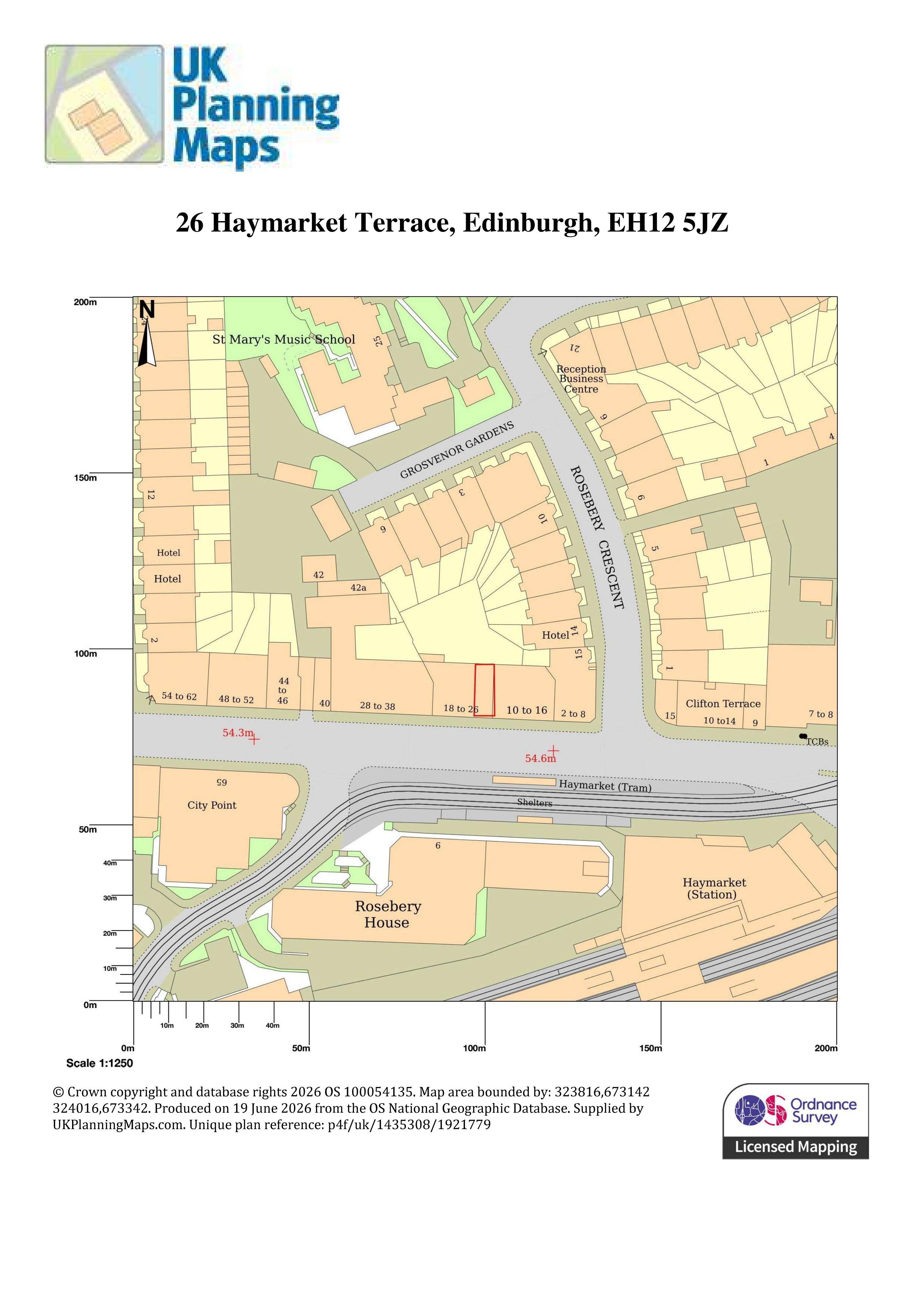
The application concerns 26 Haymarket Terrace, New Town, Edinburgh EH12 5JZ, a prominent address on one of the main routes into the west end of the city centre. The proposal is framed as a Class 1A retail supermarket use, covering groceries, alcoholic drinks for consumption off the premises, and non-alcoholic food and drink.
Rather than a full planning application for a new building, this is a Certificate of Lawfulness application. That means the council is being asked to confirm whether the stated use of the premises is lawful in planning terms.
What is proposed
The application describes the use as:
- a supermarket within Class 1A retail use;
- selling food and drink;
- selling alcohol for off-sales only;
- selling non-alcoholic products.
The short planning description points to a compact convenience-style supermarket rather than a large-format foodstore. The accompanying summary also refers to a fresh internal shop layout, suggesting the main visible change for passers-by would be the operation and fit-out of the unit rather than an external redevelopment.
Class 1A is the Scottish planning use class covering shops and some other town-centre-type commercial uses. In everyday terms, it is the category normally associated with retail premises where members of the public buy goods or services.
The off-sales element is important for neighbours and nearby businesses because alcohol sales can also require licensing controls separate from planning. The planning application itself is concerned with land use, not with granting an alcohol licence.
The site on Haymarket Terrace
26 Haymarket Terrace sits in the Haymarket area, close to one of Edinburgh’s busiest public transport hubs. Haymarket station, tram stops, bus routes, offices, hotels, flats and hospitality premises all contribute to heavy daily footfall in the surrounding streets.
That location makes even a modest retail change more noticeable than it might be on a quieter side street. A small supermarket on Haymarket Terrace would serve commuters, nearby residents, office workers, hotel guests and people moving between the west end and the station area.
The address is also within the wider New Town designation used in the application address. Haymarket Terrace forms part of the urban edge between the historic city centre and the more commercial transport corridor leading west.
Why it matters locally
Convenience retail can change how a street works at ground level. A supermarket frontage tends to generate regular customer trips throughout the day, especially in locations with strong pedestrian movement and public transport connections.
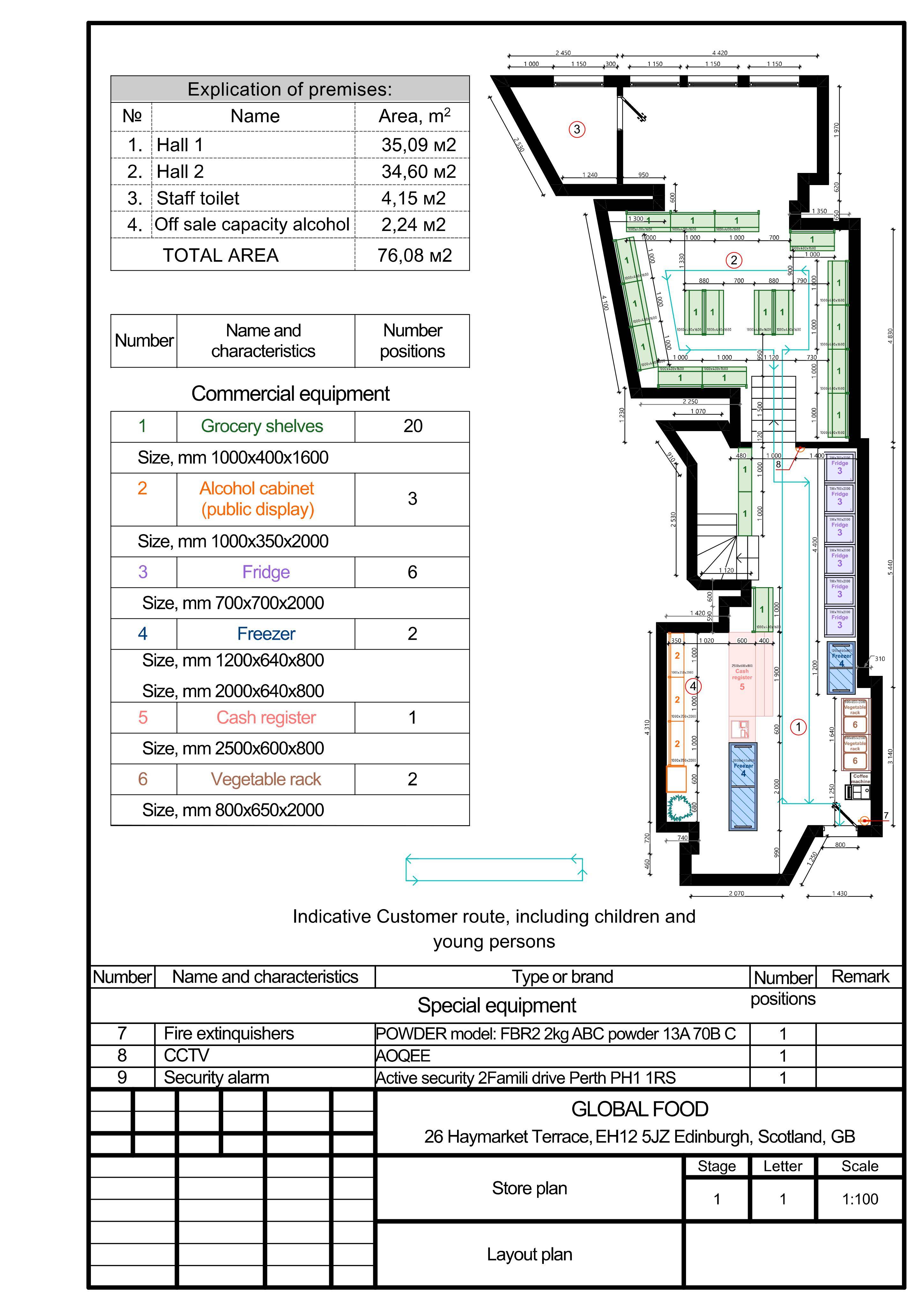
For residents, the key practical issues are likely to be everyday ones: opening patterns, deliveries, waste storage, shopfront appearance and the management of off-sales. Those details are not set out in the brief application description, but they are the kinds of matters people often look for when checking drawings, forms and any later licensing material.
For nearby businesses, a new or confirmed supermarket use can affect local spending patterns. It may add a useful service for staff and visitors, while also introducing more direct competition for existing convenience shops, cafés or takeaway retailers in the Haymarket area.
For the street itself, the application is notable because Haymarket Terrace is a high-visibility frontage. Changes to active ground-floor uses here are seen by large numbers of people and can influence the feel of the route between the station, hotels, offices and the city centre.
Certificate of Lawfulness: what that means
A Certificate of Lawfulness is different from a standard planning permission. It does not usually involve the council weighing up the planning merits of a proposal in the same way as a fresh development application.
Instead, the question is whether the use described is lawful under planning legislation. If a certificate is granted, it confirms the planning status of that use. If it is not granted, the applicant may need to address the council’s concerns or pursue a different route.
That distinction matters because residents searching the application may see the word “supermarket” and assume the council is being asked to approve a new shop from scratch. The reference number includes “CLE”, which indicates a certificate application relating to existing lawful use.
The application is currently listed as awaiting assessment, so no council decision is recorded.
What to watch
The main points to follow as the case progresses are:
- whether the council accepts the Class 1A supermarket use as lawful;
- how the alcohol off-sales element is treated in planning and, separately, licensing terms;
- whether any drawings show notable shopfront or internal layout changes;
- how deliveries, servicing and waste are managed on a busy Haymarket street;
- whether neighbours or nearby businesses raise comments through the council portal.
Because the public-facing description is concise, people interested in the application should check the documents on the council planning portal for any drawings or forms that give more detail on the premises and proposed operation.
How to find the application
The application is registered with the City of Edinburgh Council for 26 Haymarket Terrace, New Town, Edinburgh EH12 5JZ.
The planning reference is 26/02929/CLE.
You can search for that reference on the City of Edinburgh Council planning portal to view the application page, status and associated documents. The application is currently marked Awaiting Assessment.
About the author
Building City Scope — tools to make Edinburgh's planning data easier to search, understand and use.