View the full application record
Open the live City Scope application page for documents, council links, tags, insights and status updates for reference 26/01901/FUL.
A prominent George Street premises could change from a restaurant to a public house under a new planning application lodged with the City of Edinburgh Council.
The proposal covers 141 and 143 George Street, in the heart of Edinburgh’s New Town, and would change the use of the property from a Class 3 restaurant to a public house, which falls into the sui generis planning category. External facade alterations are also proposed, meaning the change would be visible from the street as well as affecting how the premises can operate.
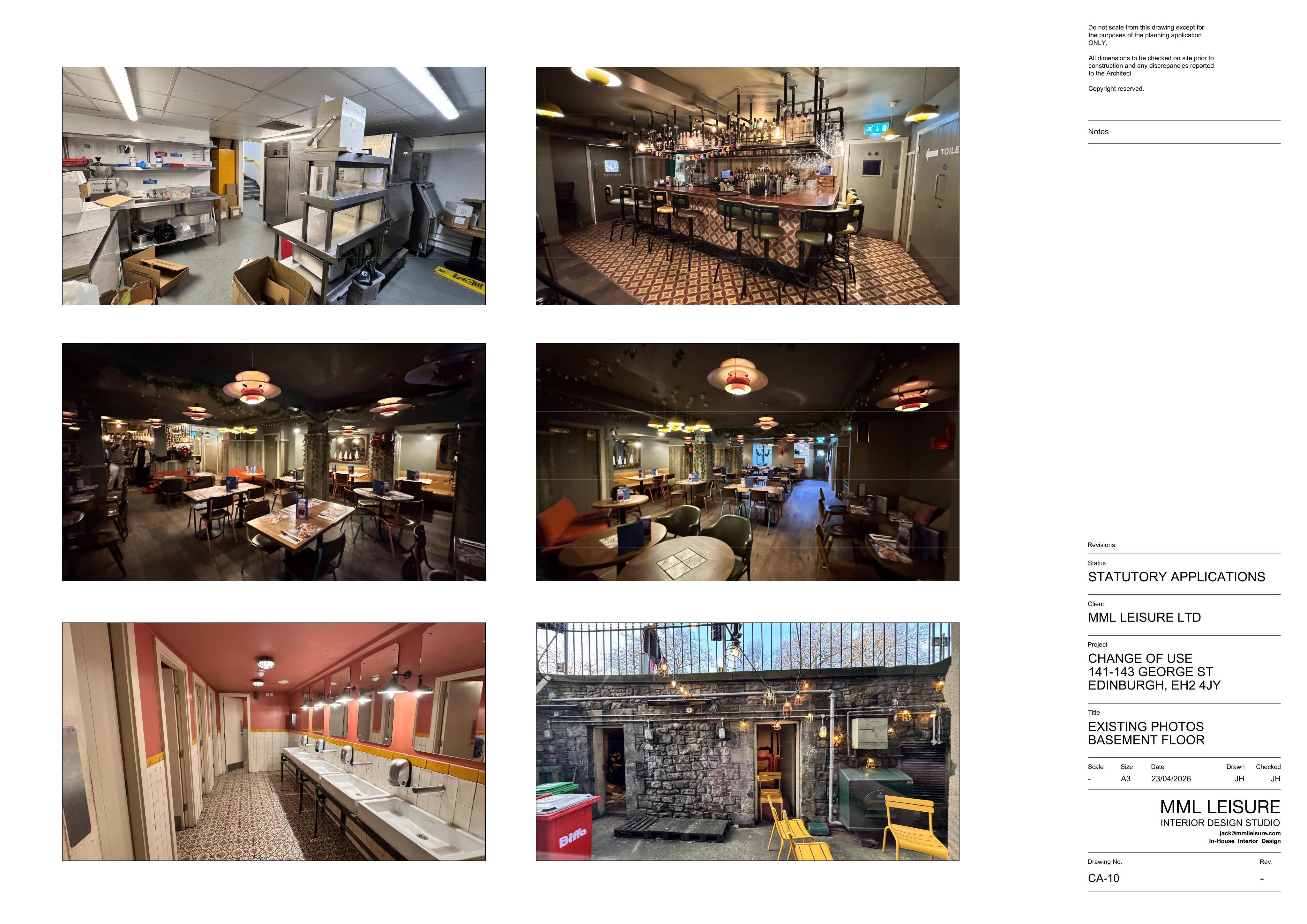
The application is one to watch because George Street is one of Edinburgh’s best-known city-centre commercial streets, with a mix of shops, restaurants, bars, hotels and offices. Any change in use on this stretch can matter to nearby businesses, residents, evening economy operators and people following the future of the city centre.
What is proposed
The planning application seeks permission for:
- a change of use from a Class 3 restaurant to a public house;
- external alterations to the facade;
- continued commercial use of the premises at 141 and 143 George Street.
In Scottish planning terms, a Class 3 use generally covers food and drink premises such as restaurants and cafes where food is mainly consumed on site. A public house is treated differently and is classed as sui generis, meaning it does not sit within one of the standard use classes.
That distinction matters because a pub use can raise different planning considerations from a restaurant, including the character of the street, visitor patterns, frontage design and the relationship with surrounding uses. It does not, by itself, decide the outcome of the application, but it explains why formal planning permission is needed.
A related listed building consent application has also been recorded for internal and external alterations, including new fascia and window details. That related case is listed under reference 26/01937/LBC and is awaiting assessment.
The site on George Street
The address is on George Street, one of the main east-west streets of Edinburgh’s New Town. The street is a major commercial route between St Andrew Square and Charlotte Square, and forms part of a wider area known for Georgian architecture, high footfall and an active food, drink and retail economy.
The site is within the New Town Conservation Area and the Edinburgh World Heritage Site. The building is also recorded as Category B listed. Those designations mean changes to the exterior, and any works affecting the character of the listed building, are likely to receive close scrutiny.
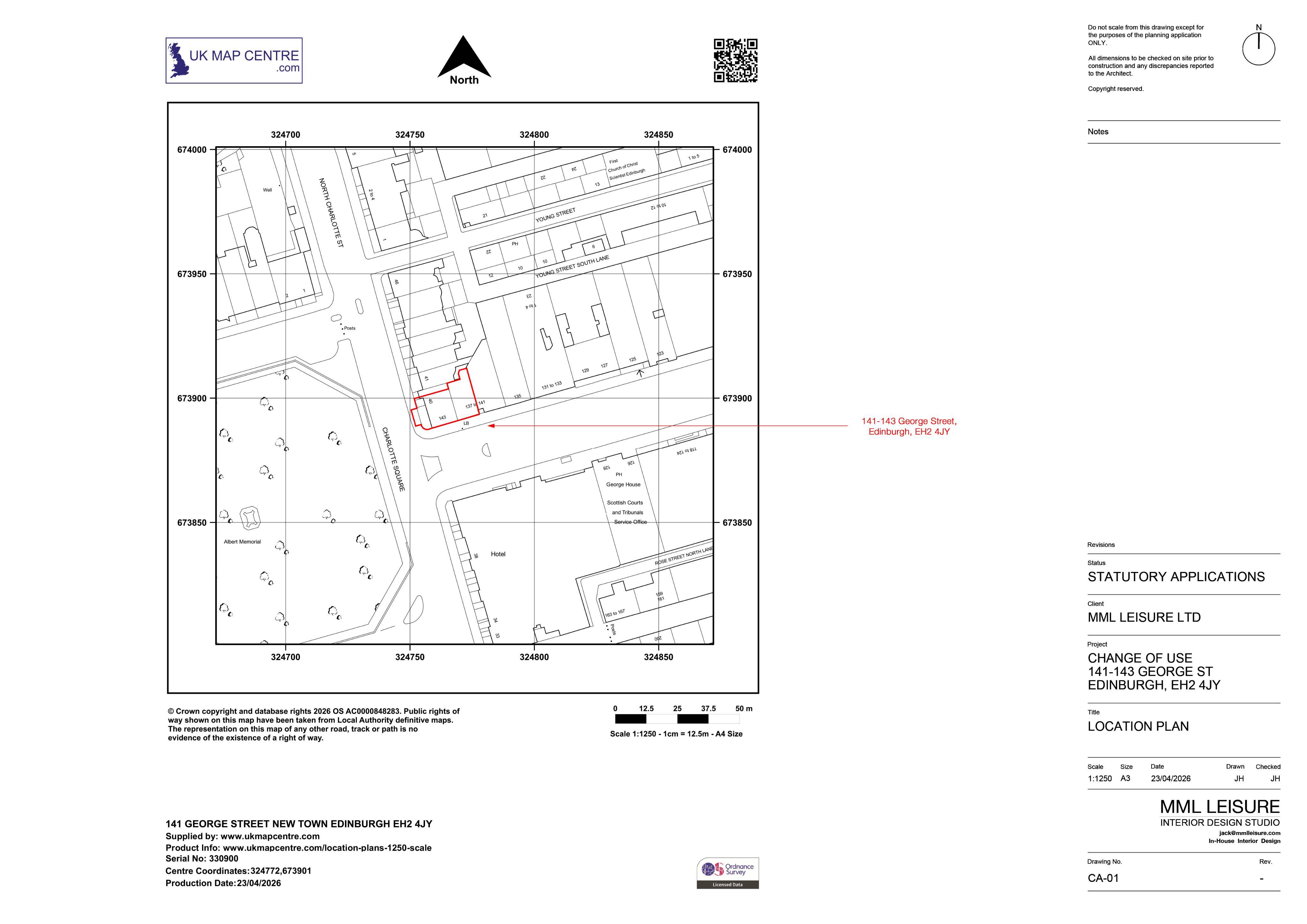
For neighbours and regular users of George Street, the most immediate visible change would be the proposed alteration to the frontage. The planning description refers to facade alterations, while the associated listed building case refers to new fascia and window details. Shopfront and frontage changes on George Street can be significant because they affect the rhythm and appearance of a highly prominent historic street.
Why it matters
George Street has long been a focus for debate about how Edinburgh city centre should balance retail, hospitality, tourism, office life and residential amenity. A move from restaurant to public house would sit within that wider conversation.
For local businesses, the proposal could affect the mix of uses on this part of the street. For residents and community groups, it may raise interest because public house uses can involve different hours, customer movements and noise considerations from restaurant uses, depending on how a venue is operated. For planners and heritage bodies, the listed status and conservation setting will be central to how the facade and any associated works are assessed.
The application also comes at a time when George Street continues to see regular commercial churn. Food, drink, retail and leisure operators compete for high-profile frontage on the street, while the council and local stakeholders continue to focus on the future quality of the public realm and the city-centre experience.
The applicant is listed as Astrid & Miyu Ltd, with Mark Kidgell named as contact person. The planning papers identify the proposal as a change of use to a public house with external facade alterations; they do not set out a final operating brand or trading format in the application description.
Heritage and frontage issues
Because the property is Category B listed and lies within both the New Town Conservation Area and the World Heritage Site, the design of the proposed facade changes is likely to be an important part of the assessment.
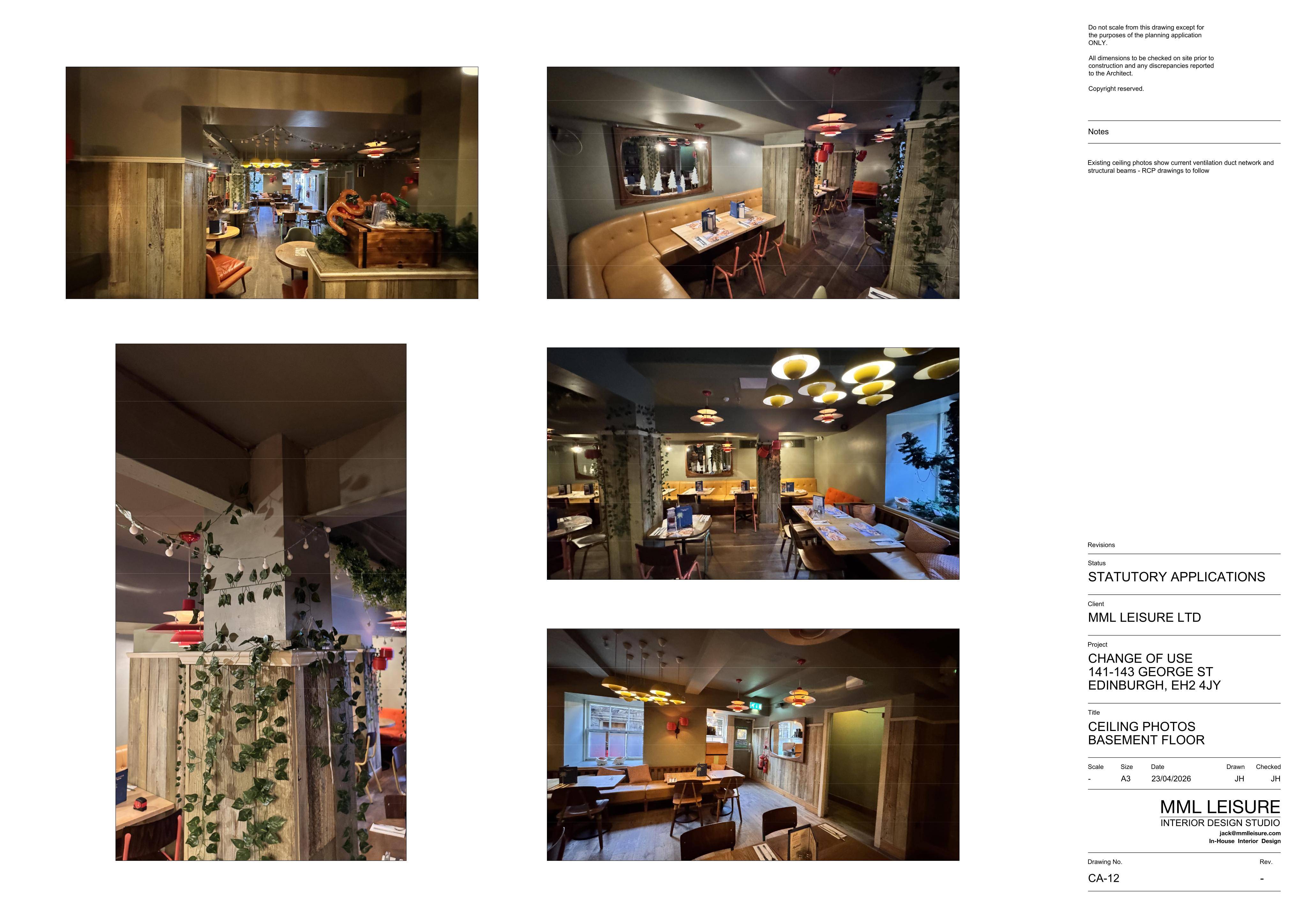
In practical terms, that means the council will consider not only whether the use is acceptable in this location, but also how any new fascia, window treatment or external detailing sits with the building and the wider George Street streetscape.
On a street like George Street, small frontage changes can have an outsized public impact. Fascia proportions, materials, window design and the relationship between ground-floor commercial units and upper-storey architecture all contribute to the character of the New Town.
What happens next
The application was registered on 4 May 2026 and is currently marked as awaiting assessment. A site notice and advertisement are listed for 15 May 2026, with comments due by 5 June 2026. The decision route is listed as a local delegated decision.
People who want to inspect the documents or comment should search the City of Edinburgh Council planning portal using the main planning reference 26/01901/FUL. The related listed building consent case is 26/01937/LBC.
About the author
Building City Scope — tools to make Edinburgh's planning data easier to search, understand and use.